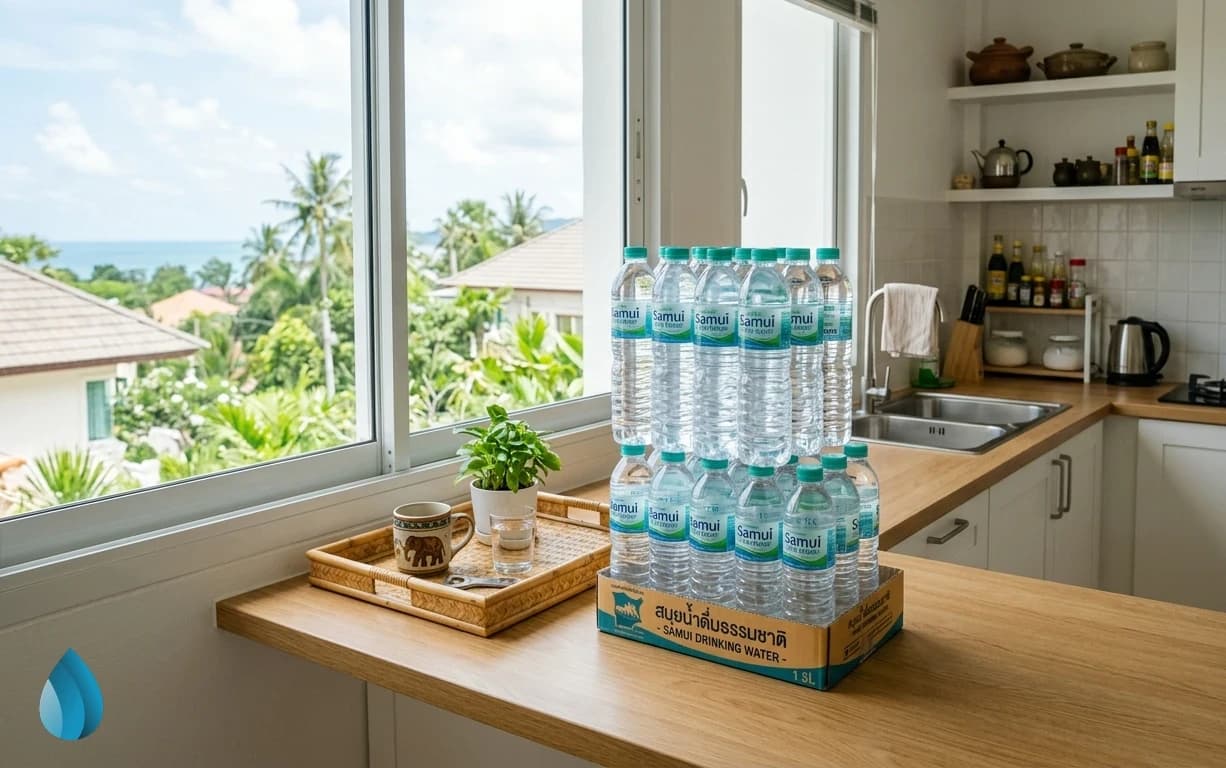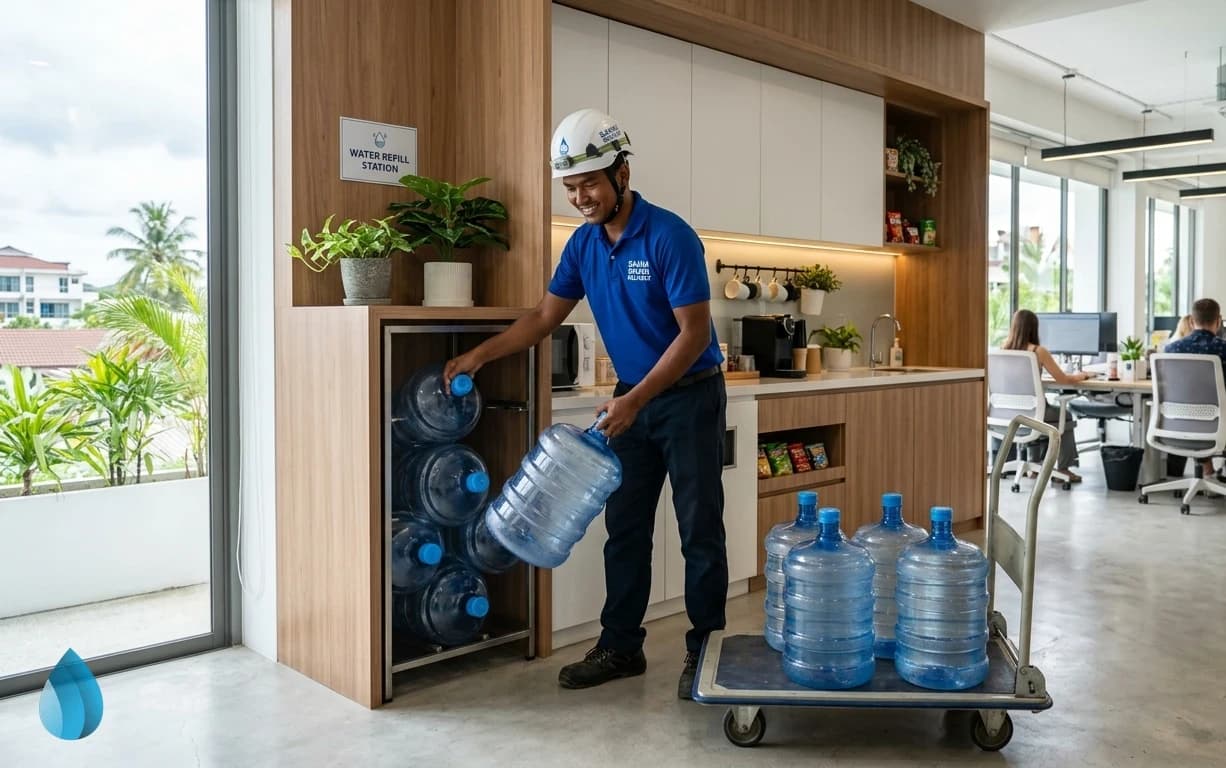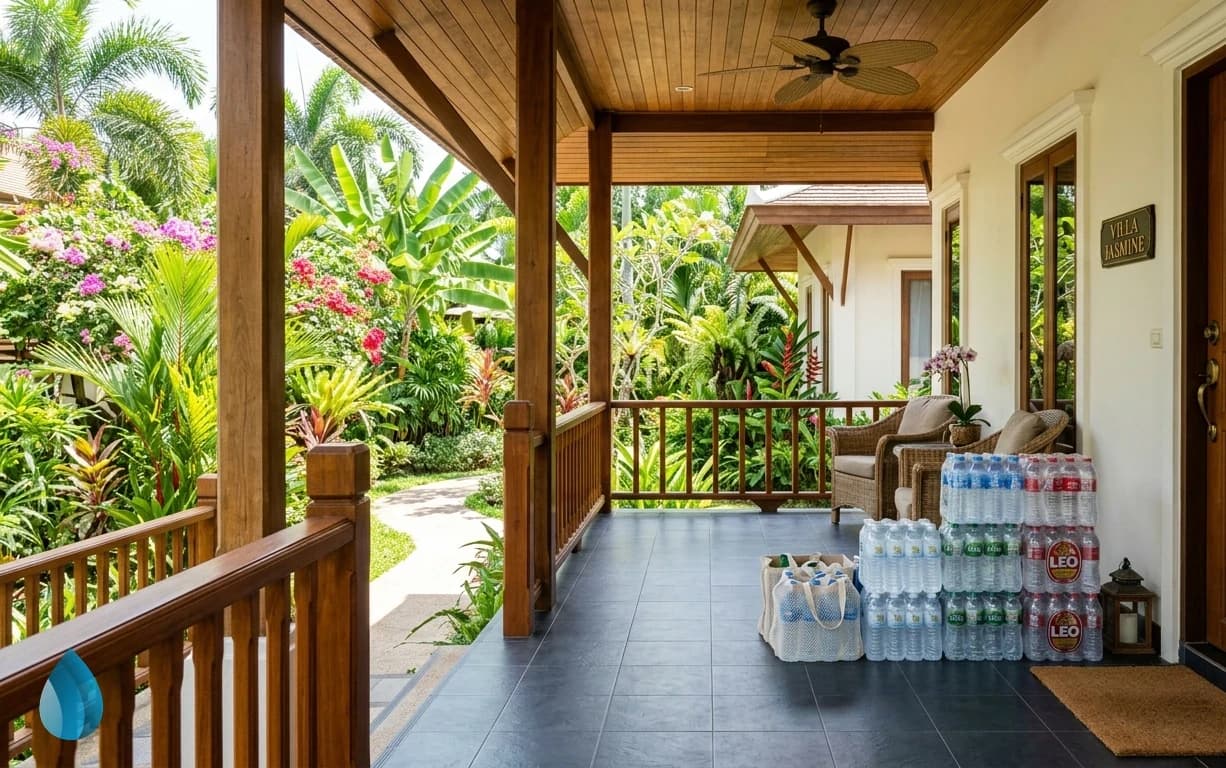
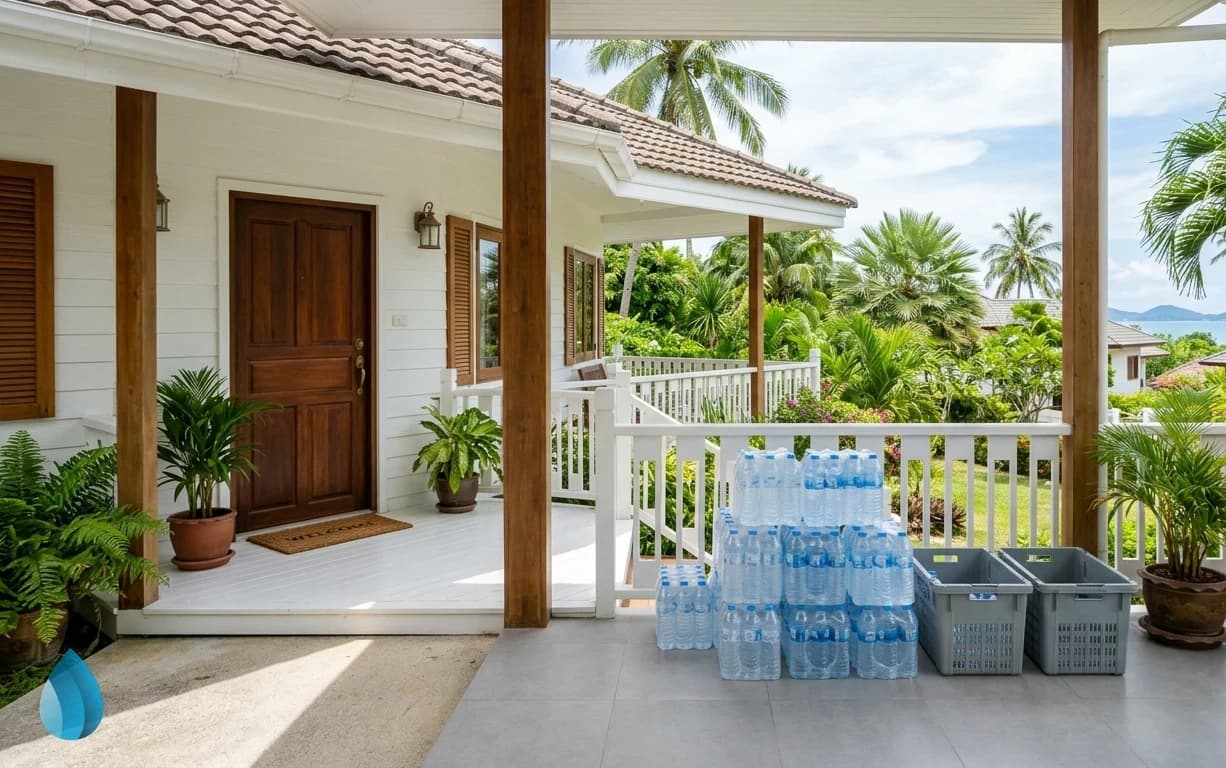
Accumulating plastic water bottles inside small storage spaces quickly creates dangerous hazards and blocked walkways around your premises. When empty containers pile up without structure, daily operations slow down significantly. Storing these items properly maintains clear footpaths and keeps your workplace completely safe.
Understanding Storage Limits in Samui Facilities
Heavy morning rain poured over the corrugated roof in Samui while I was sweeping warehouse floors to clear dust from stock lanes. That damp weather showed me how fast restricted floor space disappears when containers scatter. (I once learned the hard way that ignoring aisle boundaries creates immediate bottlenecks.) You must measure your usable floor footprint before arranging inventory. Leaving perimeter aisles prevents moisture traps against outer walls and lets staff navigate without tripping over stray plastic.
Sorting Containers to Prevent Workplace Clutter
Organizing bottle inventory by size on a humid afternoon taught me the true value of early categorization. When you separate small half-liter bottles from larger one-and-a-half-liter units immediately, your storage volume drops dramatically. Mixed piles take up twice as much room and collapse easily. Sorting empty plastic containers by volume prior to collection keeps storage areas tidy (are your back rooms starting to look like overcrowded sorting bays?). Streamlined stacks allow quick visual inventory checks every morning.
Safe Stacking Standards for Bottled Inventory
A stack of heavy cases requires precise alignment to prevent structural collapse on warehouse floors. Lifting full crates onto high storage racks in July taught me to keep heavier loads lower down. Overhanging edges weaken plastic cases rapidly under tropical heat. Building steady interlocking patterns keeps tall stacks stable throughout humid afternoons. Always store your bottled water away from direct sunlight so plastic retains structural strength during extended indoor storage.
Comparing Internal Storage Against Direct Pickup
Inspecting plastic water bottles for hairline cracks at midday revealed how long-term indoor storage degrades container quality over time. Leaving piles of empty plastic sitting inside your building consumes premium floor area while attracting unwanted dust. Direct pickup services remove those accumulated containers swiftly without requiring you to haul bulky materials to local facilities. Doing nothing simply fills your doorways with useless clutter. Prompt collection keeps your working environment open, efficient, and safe.
Maintaining Clean Sanitation Around Water Zones
Warm storage corners attract pests rapidly if dust and spilled liquid remain unchecked. Checking temperature levels inside cool rooms during summer heat showed me the importance of daily sanitation. Keeping water storage areas spotless requires sweeping floor surfaces and removing moisture immediately. Unwashed plastic combined with heat creates lingering odors in humid climates. Always keep your pantry cool and dry for best taste and hygiene. Clean floors protect fresh stock from contamination while maintaining an orderly workspace.
Managing bottle storage limits in Samui relies on disciplined rotation, clear floor plans, and rapid container removal. By sorting empty units by volume and maintaining strict sanitation standards, you keep your facility safe. Orderly space management ensures smooth daily operations across all your pantries.